Kengcomedu: Educational System Access Report
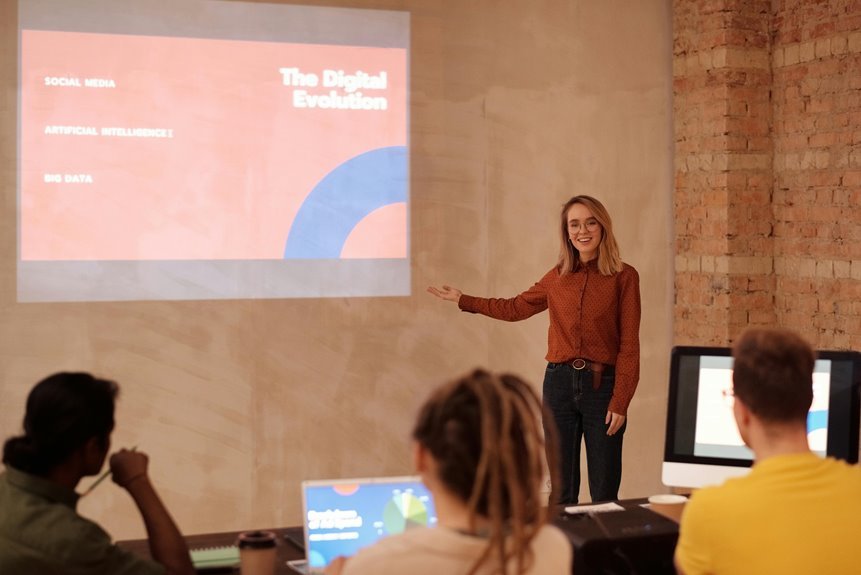
The “Kengcomedu: Educational System Access Report” presents a critical examination of the current landscape of educational resource distribution. It uncovers stark inequalities that affect underserved communities, highlighting barriers such as financial limitations and technological gaps. The report also reviews successful initiatives aimed at improving access. However, the pressing question remains: what innovative strategies can be implemented to ensure that every student, regardless of their background, has equal opportunities to succeed?
Current State of Educational Resource Distribution
Although the distribution of educational resources varies significantly across regions, a critical analysis reveals persistent disparities that affect access to quality education.
These inequities manifest as funding disparities, where some districts receive significantly more financial support than others. Such inequitable resource allocation exacerbates equity challenges, leaving underserved communities at a disadvantage and hindering the pursuit of educational freedom and opportunity for all students.
Identifying Barriers to Access
The disparities in educational resource distribution directly contribute to a range of barriers that hinder access to quality education.
Financial constraints limit opportunities, while the digital divide exacerbates inequity.
Geographic isolation restricts access to institutions, and language barriers hinder comprehension.
Cultural stigma and policy limitations further entrench these challenges, creating a multifaceted landscape that demands urgent attention to ensure equitable educational access for all.
Successful Initiatives and Future Recommendations
While numerous challenges persist in achieving equitable educational access, various successful initiatives have emerged that offer promising pathways for improvement.
Notably, inclusive programs have demonstrated effectiveness in reaching marginalized populations, while technology integration has enhanced learning experiences and accessibility.
Future recommendations include scaling these initiatives and fostering partnerships between educational institutions and tech companies to create a more inclusive and innovative educational landscape.
Conclusion
In conclusion, the Kengcomedu report underscores the pressing need for equitable educational access, highlighting that systemic barriers affect not just individual students, but entire communities. While some may argue that change is slow and difficult, the report illustrates that successful initiatives already exist, paving the way for innovative solutions. By fostering collaboration among stakeholders and prioritizing inclusive programs, it is possible to create a more equitable educational landscape that empowers all students to reach their potential.