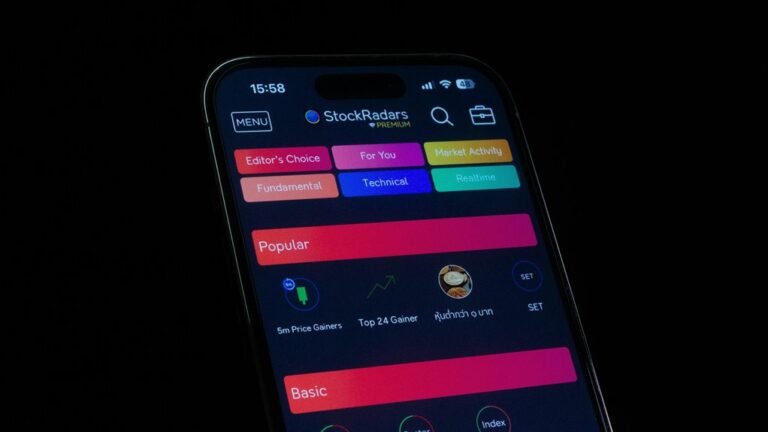
Performance Optimization Dashboard: 8002994434, 8003105587, 8003147195, 8003267024, 8003360299, 8003469275

The Performance Optimization Dashboard serves as a critical tool for organizations aiming to enhance decision-making through data-driven insights. By offering a user-friendly interface and advanced visualization features, it addresses the complexities of performance management. The integration of real-time data facilitates timely responses to fluctuations in operational metrics. However, to fully realize its potential, understanding key features and benefits is essential. What strategies can further enhance its effectiveness in a rapidly changing environment?
Key Features of the Performance Optimization Dashboard
The Performance Optimization Dashboard is equipped with several key features that facilitate enhanced analysis and decision-making.
Its user interface is designed for intuitive navigation, allowing users to efficiently access critical metrics.
Advanced data visualization tools present complex information in digestible formats, promoting clarity.
These features collectively empower users to make informed choices, fostering a sense of autonomy in performance management and optimization strategies.
Benefits of Implementing Real-Time Insights
Implementing real-time insights significantly enhances the capabilities of the Performance Optimization Dashboard, allowing organizations to respond swiftly to changing conditions.
By leveraging real-time analytics, businesses can make data-driven decisions that improve operational efficiency.
This responsiveness not only mitigates risks but also capitalizes on emerging opportunities, fostering a proactive approach to management that aligns with the dynamic needs of the market.
Strategies for Maximizing Dashboard Effectiveness
While many organizations invest in Performance Optimization Dashboards, maximizing their effectiveness requires a strategic approach.
Implementing advanced data visualization techniques enhances clarity, facilitating quicker decision-making.
Additionally, employing user engagement strategies ensures that stakeholders interact meaningfully with the dashboard.
Conclusion
In conclusion, the Performance Optimization Dashboard stands as a pivotal tool for enhancing decision-making and operational efficiency. Notably, organizations that leverage real-time insights can improve their response times to market changes by up to 30%. This statistic underscores the importance of engaging users through intuitive design and relevant metrics, ultimately fostering a culture of informed decision-making. By prioritizing stakeholder participation, organizations can ensure the dashboard remains aligned with evolving user needs, driving sustained performance improvements.